Third Grade: Graphics and Crafts for Real Projects
As a designer who regularly works on branding, packaging, and digital assets for small businesses, I often find myself evaluating design assets that can elevate a project without overcomplicating it. Third Grade is one such asset that offers a fresh, playful vibe ideal for certain creative directions. Its back-to-school theme makes it perfect for seasonal campaigns, handmade brands, or educational products.
The First Impression of Third Grade
Third Grade immediately conveys a sense of nostalgia mixed with modern simplicity. The visual elements feel handcrafted yet polished, making it suitable for projects that aim to blend creativity with clarity. It’s not overly complex, which means it can be used in a variety of contexts without overwhelming the design.
The style leans toward a clean, minimal aesthetic with subtle textures and soft lines. This makes it ideal for printable designs, social media graphics, and brand elements that need to feel approachable and friendly. It’s the kind of design that can fit into a handmade business or a boutique product line looking for a cohesive look.
Real-World Applications of Third Grade
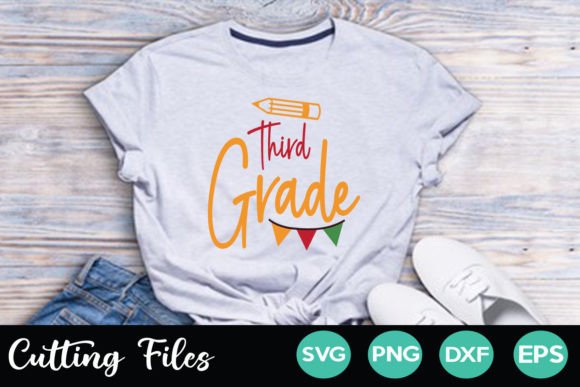
When working on a client project, especially for an Etsy shop or a local event, Third Grade can serve as a strong visual foundation. Whether it’s for t-shirt design, sticker design, or a Canva template, this asset provides a consistent look that supports the overall brand identity.
In packaging design, Third Grade can be used as a decorative accent or a central graphic element. It works well on product labels, tote bags, and promotional materials. For a print-on-demand seller, it could be part of a design bundle that includes multiple variations for different merchandise types, from mugs to wall art.
It also has potential in editorial design, where its clean layout and visual appeal can enhance blog visuals or magazine spreads. As a web design element, it could be used in hero sections or background illustrations to add personality without distracting from the main content.
Where Third Grade Excels
Third Grade shines in large layout areas, such as posters, flyers, and campaign visuals. Its size and detail make it ideal for hero graphics or product mockups that require a bold, eye-catching presence. It also works well as part of themed collections, offering a cohesive look that can be adapted across different formats.
For a Cricut project, Third Grade’s SVG format allows for precise cutting and customization, making it a valuable tool for crafters. As a clipart or illustration, it can be layered with other design elements to create unique compositions that feel both professional and personal.
In social media graphics, Third Grade adds a touch of whimsy that can engage audiences while maintaining a level of sophistication. It’s particularly useful for Pinterest pins or Instagram posts that need to stand out in a crowded feed.
Where to Use Third Grade Carefully
While Third Grade is versatile, it may not be the best choice for minimalist branding or professional corporate materials. Its playful nature might clash with a more serious or high-end brand image. In such cases, a cleaner, more structured design would be more appropriate.
Small sizes can also be a challenge. At a reduced scale, the details may become lost, making it less effective as a standalone element. Similarly, in crowded layouts or complex backgrounds, Third Grade may not hold up as well as a simpler graphic.
Low-contrast designs or those with very busy elements may also dilute the impact of Third Grade. It’s important to consider how it interacts with other visual components to maintain a clear visual hierarchy.
Impact on Branding and Design
Third Grade can significantly affect readability and brand consistency. When used appropriately, it helps reinforce a brand’s visual identity, especially for businesses targeting a younger or more casual audience. It can also enhance emotional appeal by evoking a sense of warmth and familiarity.
For a small business branding project, Third Grade can act as a supporting element that ties together various design assets. It adds a layer of creativity without overshadowing the core message. However, it’s essential to test it in different scenarios to ensure it aligns with the brand’s goals and values.
Visual trust and recognition are also important factors. A well-designed asset like Third Grade can help build a stronger connection with the target audience, making the brand more memorable and relatable.
Practical Designer Notes
Before using Third Grade for a client project, I recommend testing it in black and white to see how it holds up without color. Check contrast on both light and dark backgrounds to ensure it remains visible and legible. Preview it at small and large sizes to understand how it scales across different mediums.
Place it on real mockups to see how it looks in context. Test print quality if it will be used for physical products. Review file formats to confirm they meet your needs—especially if you’re working with SVG or PNG files. If transparency is involved, inspect the PNG to ensure it’s clean and ready for use.
Compare it with different font styles to see how it complements or contrasts with text elements. Confirm commercial licensing before using it for a client or business project to avoid any legal issues.
Conclusion: Is Third Grade Worth It?
Third Grade is a solid graphic design asset that can add value to a variety of projects, especially those with a creative or educational angle. It’s well-suited for crafts, printable designs, and digital products that benefit from a friendly, approachable aesthetic.
For designers working on small business branding, handmade products, or seasonal campaigns, Third Grade offers a reliable and versatile option. Just be mindful of its limitations and use it where it can truly enhance the design rather than complicate it.