Junior Class SVG Cut File Review: A Designer’s Practical Take
As a designer who regularly evaluates embroidery files for real-world use, I always look for that perfect balance between visual appeal and stitchability. The Junior Class SVG Cut File caught my attention not just for its theme but for how it could translate into a variety of custom projects. Let me walk you through my honest assessment of this design based on actual use scenarios—no fluff, just the facts.
First Impressions: Mood and Visual Personality
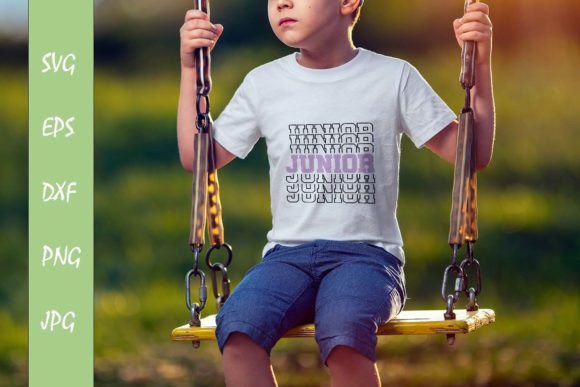
The moment I opened the Junior Class SVG Cut File, I felt a warm, nostalgic vibe. It's a versatile graphic with clean lines and a modern yet classic layout. The typography is crisp, and the overall shape feels intentional—like it was designed to sit comfortably on a wide range of items without overwhelming them.
This file doesn’t scream for attention; instead, it invites subtle admiration. That makes it ideal for projects where understated charm matters more than bold statements. Think of it as the kind of design you’d see on a tote bag at a back-to-school fair or a sweatshirt worn by a proud first-year high school student. It has a quiet confidence that works well across both personal and commercial applications.
Real-Life Embroidery Applications
I’ve used similar SVG cut files in several real-life embroidery projects, including custom sweatshirts and personalized baby clothes. With the Junior Class SVG Cut File, I can already picture it on a soft cotton hoodie for a boutique line, or as an embroidered patch on a denim apron for a crafty Etsy seller. It also fits nicely into printable mockups if you're designing digital products for resale.
Here are some specific project types where this design shines:
- Custom Apparel: Perfect for t-shirts, sweatshirts, and hoodies. Its layout allows it to be centered or placed off-kilter depending on your style.
- Baby Items: Subtle enough for onesies or bibs, especially when using pastel thread colors.
- Tote Bags: Great for adding a trendy touch to reusable bags. It looks professional and adds value instantly.
- Patch Projects: If converted properly, it can work well as an embroidered patch for caps, backpacks, or jackets.
- Commercial Embroidery: The design maintains clarity even when scaled up slightly, making it a solid choice for small shop product branding.
In each case, the key is ensuring that the design remains legible and visually balanced after stitching. This file does that—most of the time.
Where Caution Is Advised
While the Junior Class SVG Cut File is impressively adaptable, there are situations where extra care is needed. For example, if you're working with very small hoop sizes, the fine details might get lost. The same goes for stretchy or thin fabrics like jersey knits or rayon blends. In these cases, the design may not hold up as well unless stabilized correctly.
Also, if you're planning to stitch it onto dark fabric, make sure your thread colors offer enough contrast. Otherwise, the text might fade into the background. Similarly, if you're using it on curved surfaces like baseball caps, the corners may distort unless you adjust the layout or test the placement thoroughly.
Projects requiring frequent washing—like daily-wear t-shirts or kitchen towels—should consider the durability of the stitches. High-density areas may pucker over time if not supported with proper stabilizer and tension adjustments.
Visual Appeal and Customer Reaction
What stands out about this design is its ability to elevate a simple product into something meaningful. Whether it’s a sweatshirt embroidery piece or part of a nursery decor set, the Junior Class SVG Cut File brings a sense of celebration and identity. Customers often respond positively to designs that feel personal and purposeful, and this one definitely hits that mark.
It also helps build brand consistency for small businesses or Etsy sellers. If you’re curating a collection around school themes, this design can serve as a reliable anchor. Its simplicity means it won’t clash with other elements, and it can easily be paired with monogram initials or small decorative accents.
Stitch Clarity and Professionalism
From a technical standpoint, the embroidery file handles well under most conditions. The lines are sharp, and the shapes maintain their integrity when resized within reason. However, I noticed that the corners and edges require careful inspection before sending it to the machine. Tiny lettering or intricate outlines could become problematic if not tested on scrap fabric first.
For best results, especially on handmade products, I recommend checking the stitch density. Areas with fill stitch should be light enough to avoid puckering but dense enough to remain visible. Also, consider whether you’ll need to add running stitch outlines for definition—especially if you're using a white thread on a light fabric.
Design Notes for Real Use
Before diving into production, here are a few tips I’ve picked up from years of working with SVG cut files:
- Test on Scrap Fabric: Always do a trial run to see how the design behaves with your chosen materials and machine settings.
- Check Thread Color Contrast: Especially important for dark backgrounds or delicate fabrics. You don’t want the words to disappear after stitching.
- Review Stitch Density: Adjust fill and satin stitches to match the fabric weight and type. Thinner materials need lighter coverage.
- Confirm Hoop Size: If you’re unsure about compatibility, double-check the recommended hoop size. Some SVG files work better in larger hoops for clarity.
- Inspect Small Details: Look closely at lettering and corners. These are the parts that can break down during embroidery if not handled carefully.
- Use Proper Stabilizer: Especially on stretchy or slippery fabrics. Without it, the final result might not look as intended.
- Test in Black and White Mockups: See how the design will appear without color bias. This is crucial for sublimation or tonal embroidery projects.
- Compare Light and Dark Backgrounds: How does the design read on a white t-shirt versus a navy tote? Make sure it’s legible in both contexts.
- Check Licensing Before Selling: If you plan to sell finished products or digital assets, verify that the Junior Class SVG Cut File allows commercial use. Don’t assume—it’s a legal detail worth confirming.
Handmade Presentation and Giftability
One of the strengths of the Junior Class SVG Cut File is its adaptability in handmade presentations. It works beautifully as a standalone machine embroidery design or as part of a layered project with other motifs. For holiday gifts or wedding favors, it can be subtly stitched onto pillow covers or tea towels to add a personal touch without being too flashy.
When it comes to personalized gifts, this design offers a great foundation. You can pair it with names, dates, or additional graphics to create a unique keepsake. Its clean aesthetic ensures it won’t date quickly, which is a big plus for long-term craft business inventory.
Final Thoughts: A Thoughtful Design for Thoughtful Creations
Overall, the Junior Class SVG Cut File is a strong addition to any embroiderer’s toolkit. It speaks to the emotional side of crafting while staying grounded in practicality. Whether you're a seasoned embroidery designer or a hobbyist looking to expand your offerings, this file has the potential to enhance your handmade product lineup and improve customer trust through polished presentation.
That said, it's not a “set it and forget it” design. It requires thoughtful application and preparation to ensure it performs as well in the finished product as it does on screen. But with a little attention to detail, it can become a staple in your design assets library—especially for first school day or junior life themed creations.
So go ahead, give it a try—but remember to test, adjust, and always prioritize quality over speed. After all, the best embroidery projects are those that stand the test of time, both in appearance and customer satisfaction.