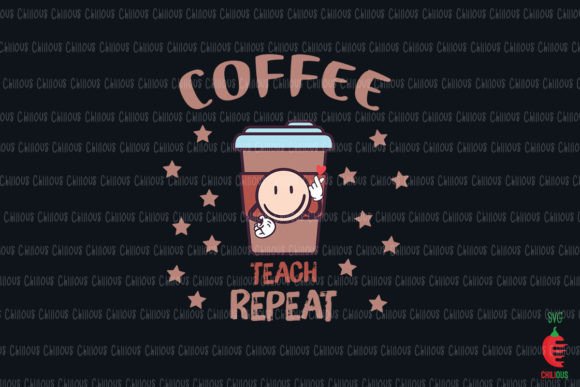
Coffee Teach Repeat Retro Smiley Graphics and Crafts
As a brand designer, I always look for graphic design assets that can elevate a small business branding project without overwhelming the message. The Coffee Teach Repeat Retro Smiley is one such asset that offers a playful yet professional vibe, perfect for local businesses looking to stand out in a crowded market.
First Impressions: A Nostalgic and Friendly Visual
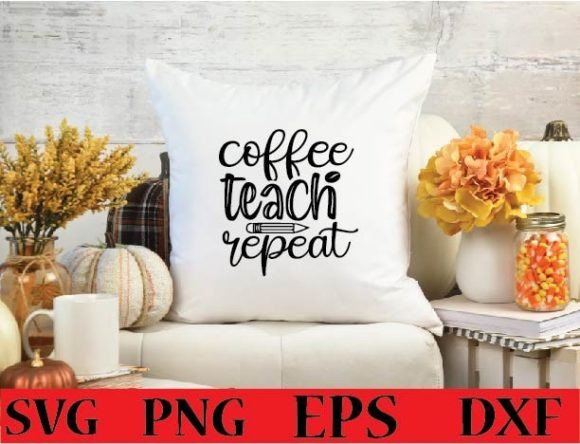
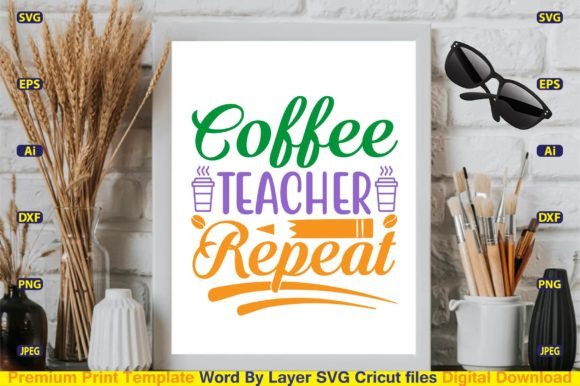
The Coffee Teach Repeat Retro Smiley immediately evokes a sense of nostalgia with its vintage aesthetic. The retro smiley face combined with the teacher and coffee elements creates a friendly, approachable mood. This design feels like it belongs in a cozy coffee shop, a handmade boutique, or a children’s product line. It suggests a brand personality that’s warm, creative, and slightly humorous—ideal for businesses targeting families, educators, or young professionals.
While not overtly premium, the design has a handcrafted quality that aligns well with handmade businesses and small-scale product sellers. Its simplicity makes it versatile, but its charm ensures it doesn’t get lost in more complex visual hierarchies.
Practical Applications in Local Business Design
This graphic design asset can be used across multiple touchpoints in a local business’s branding strategy. For example, in a bakery or coffee shop, the Coffee Teach Repeat Retro Smiley could serve as a logo design element, adding a unique twist to the brand identity. It also works well on product labels, where its bold shape and recognizable imagery can help customers quickly identify a brand.
In packaging design, the asset can act as an accent or a hero graphic. On a sticker or hang tag, it adds a personal touch that resonates with customers. As part of social media graphics, it can be used in promotional banners or seasonal campaigns, especially around Back to School or first day of school themes.
The design is also great for printable inserts, thank-you cards, or promotional flyers. Its retro style pairs well with both modern and traditional fonts, making it adaptable to different brand styles. Whether used in a Canva template or as a digital product, it offers flexibility without sacrificing visual impact.
Supporting Business Presentation and Brand Identity
When integrated into a brand’s visual system, the Coffee Teach Repeat Retro Smiley can enhance the overall presentation. It helps create a stronger first impression by reinforcing a brand’s personality through consistent design elements. This consistency builds better product recognition and improves customer trust over time.
In terms of visual hierarchy, the asset can guide attention toward key messaging or product features. Its size and placement can be adjusted to ensure it complements rather than competes with other design elements. For a handmade soap business or a boutique store, this balance is crucial for maintaining a polished and professional look.
Additionally, using this design in product mockups or promotional ads can boost shelf appeal. Its nostalgic charm makes it memorable, which is essential for small businesses competing with larger brands. When paired with the right color scheme and typography, it can become a signature element of a brand’s identity.
Best Use Cases for Coffee Teach Repeat Retro Smiley
This graphic design asset shines in areas where a playful, eye-catching element is needed. Product labels benefit from its bold and recognizable style, while packaging accents can use it to add a decorative touch. In social media campaign graphics, it can serve as a focal point that draws engagement and encourages shares.
For seasonal campaigns, such as Back to School or holiday promotions, the Coffee Teach Repeat Retro Smiley can be a central motif. It also works well in boutique visuals, where a cohesive and inviting aesthetic is key. As part of a product mockup, it can help visualize how a brand will appear in real-world settings, giving clients a clear idea of the final result.
When to Use with Caution
While the Coffee Teach Repeat Retro Smiley is versatile, it may not suit all design contexts. In formal corporate branding, its casual nature might feel out of place. Similarly, on very small labels or crowded product packaging, the design could become too busy or hard to read.
It should also be avoided in areas where legal information or ingredient lists are present, as it may distract from critical details. Low-contrast backgrounds can make the design less visible, and in luxury minimalist brands, it may clash with the intended aesthetic.
Brand Designer Notes and Practical Tips
Before finalizing any use of the Coffee Teach Repeat Retro Smiley, I recommend testing it on real packaging mockups to see how it translates in physical form. Checking black and white usage is important, as some designs lose their impact when stripped of color.
Previewing the asset on small labels ensures it remains legible at reduced sizes. Testing it with brand colors helps maintain consistency, and comparing it with competitor packaging can highlight its unique value. Print quality checks are essential, especially if the design will be used on physical products.
Reviewing PNG transparency and inspecting SVG or vector editability ensures the asset can be adapted as needed. Testing it beside different font styles—serif, sans serif, script, handwritten, or display—helps determine the best typographic pairing. Lastly, confirming commercial licensing is crucial before using it for client work or physical product sales.
Conclusion: A Versatile Asset for Creative Businesses
The Coffee Teach Repeat Retro Smiley is a valuable graphic design asset for small business branding, particularly in the crafts and creative industries. Its nostalgic charm and playful energy make it ideal for local businesses, handmade sellers, and boutique owners looking to connect with their audience on a personal level.
Whether used in product labels, packaging design, or social media graphics, this design can help build a stronger brand identity and improve customer engagement. With careful consideration of its placement and context, it can become a powerful tool in a designer’s toolkit for creating memorable and effective marketing visuals.